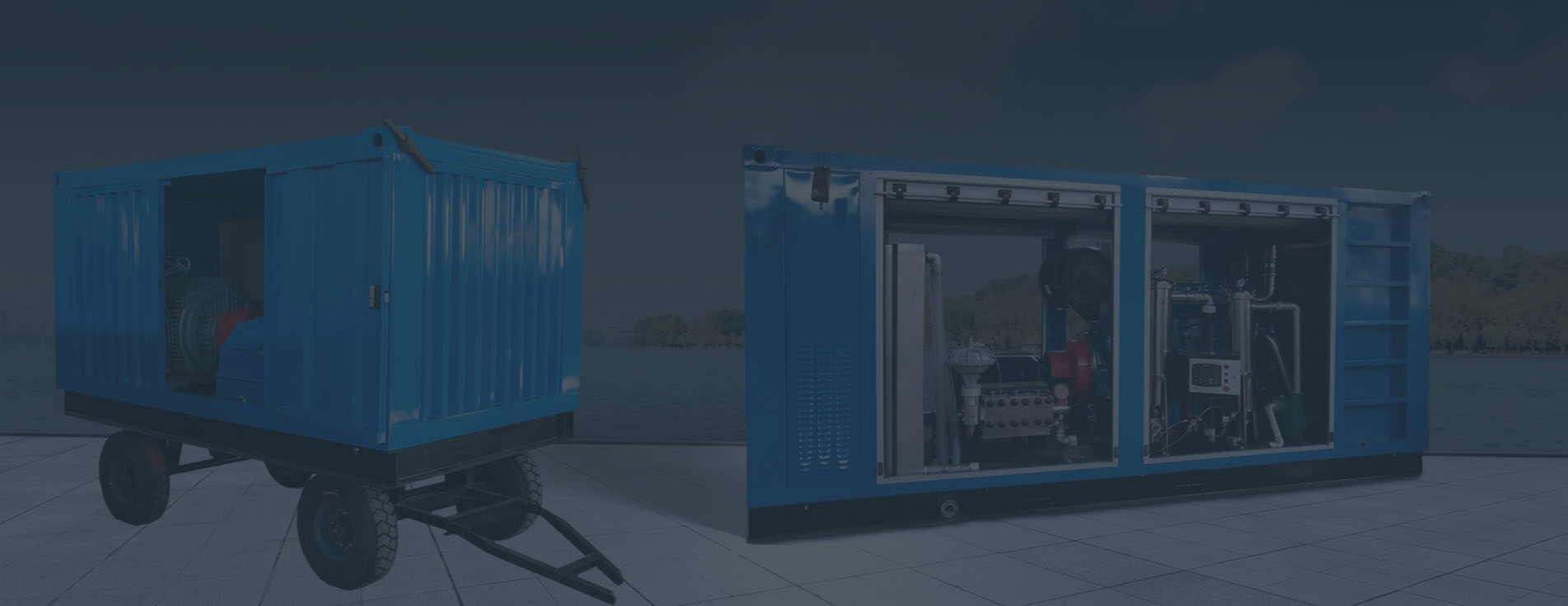
To ensure the cleanliness of the interior of the pipeline system, after passing the strength test and tightness test, and before putting it into operation, the system should be purged and cleaned (collectively referred to as purging and cleaning) to remove iron chips, rust, welding slag, dust, and other contaminants from the pipeline. Indoor heating pipelines are usually cleaned using high-pressure cleaning equipment.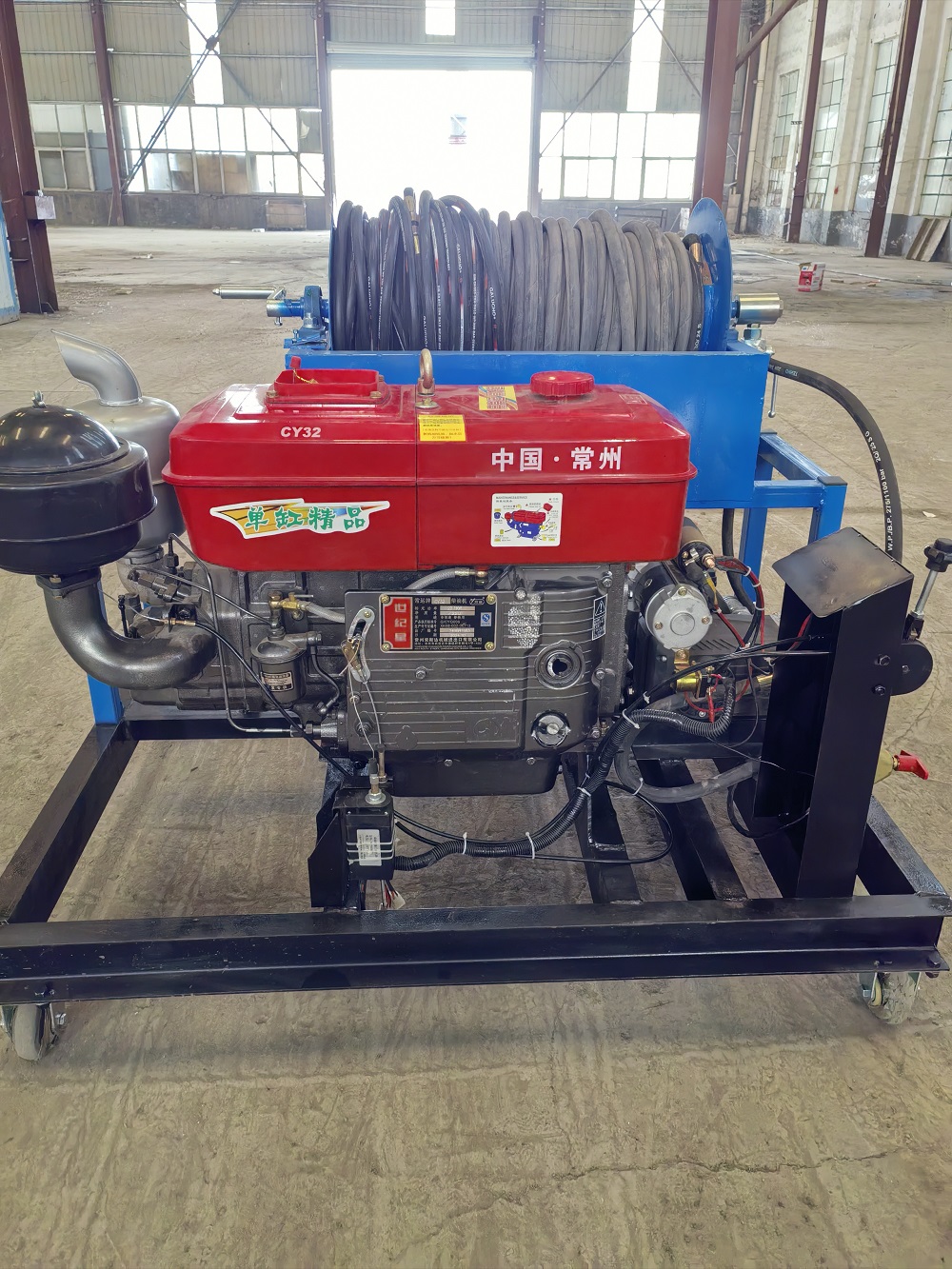
Before using the heating pipeline system, high-pressure cleaning equipment is often used for flushing. During flushing, if there are many branches and the end section area is relatively small, 1-2 valves in the main pipe can be removed and flushing can be carried out in sections. If there are not many branches, the drainage pipe can be connected from the end of the main pipe. The section of the drainage pipe should not be less than 60% of the section of the pipeline being flushed, and the drainage pipe should be connected to a reliable drainage well or ditch, ensuring smooth and safe drainage. During flushing, the maximum flow rate that can be achieved in the system or a flow rate of not less than 1.5 m/s should be used. When there is no design specification, it is considered satisfactory if the water color and transparency at the outlet are visually consistent with those at the inlet.
After flushing with high-pressure cleaning equipment, the pipeline should be drained completely. If necessary, compressed air can be used to blow it dry or protective measures can be taken.
In addition, when encountering a large-capacity heating system and facing certain difficulties in water intake, due to the relatively low cleanliness requirements, self-circulation can be used for cleaning. However, a filter should be installed before the circulating pump, and dirt should be removed regularly, with a portion of the circulating water being replaced periodically.